
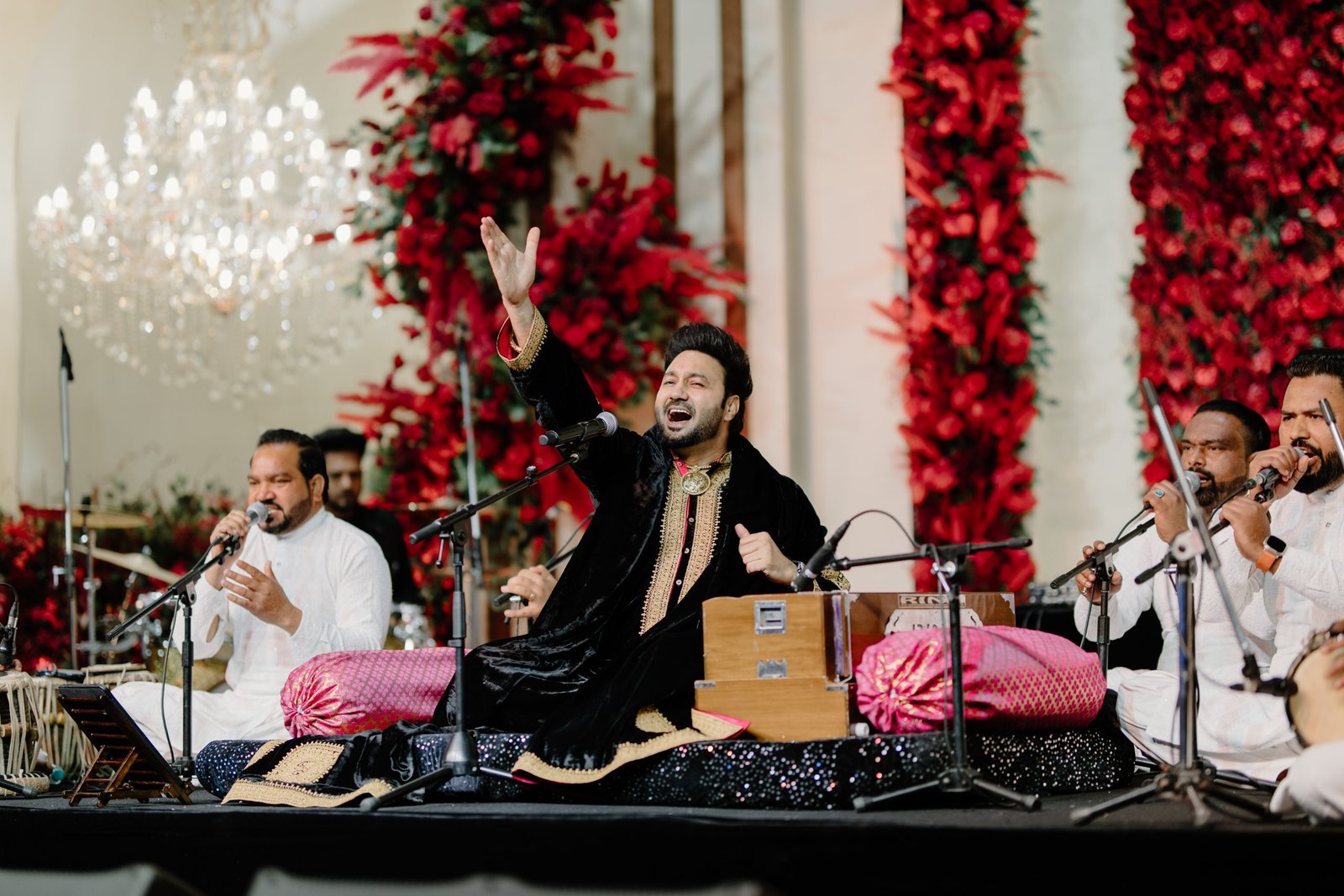
Ultimate Checklist for a Beautiful Engagement or Roka Ceremony
Your Complete Engagement & Roka Planning Checklist
Engagements and Roka ceremonies are one of those occasions where the whole family is together, everyone is happy, and everything needs to go smoothly — without anyone getting too stressed in the process. Whether you are planning a small Roka at home or a full engagement party at a venue, the same thing goes wrong for most families: too many things to remember, no clear list of who is doing what, and small things getting missed at the last minute.
We have been part of hundreds of these moments across Chandigarh, Punjab, and our hill venues in Kasauli, Shimla, and Dehradun. This checklist covers everything — from the big things to the small things that nobody thinks about until they actually need them. Go through it one section at a time and tick things off as you go. That is really all you need to do.
Plan Smart · Celebrate Joyfully · Create Lasting Memories
Set Your Foundation
Before anything else, these are the five decisions that everything else depends on. Get these right first and the rest of the planning becomes much easier. Changing any of these after other things are booked creates extra stress — so take a little extra time here at the start.
- Decide your overall budget Not a rough number — an actual number. Include venue, food, décor, outfits, photography, and a 10% buffer for things you did not plan for. Write it down.
- Shortlist a good date Check for family availability, any muhurat requirements, and whether your preferred venue is free. Have two or three backup dates ready.
- Prepare your guest list Start with a realistic number, not an wishful one. The guest count changes your venue choice, food budget, and seating arrangements.
- Finalise the ceremony style Are you doing a traditional Roka with full family rituals, a modern engagement party, or something in between? This decides your décor direction, music choices, and event flow.
- Create a simple event schedule A rough timeline for the day — what time guests arrive, when the ceremony starts, when food is served, when it ends. Share this with family so everyone knows what is happening and when.
Find the Right Venue
The venue sets the tone for everything else. A space that is too big feels empty and cold. A space that is too small feels chaotic and uncomfortable. Get this right and the décor, the food service, and the whole flow of the event become much easier to manage.
- Select a venue that suits your guest count As a rule — a venue that fits exactly your number will feel cramped once décor, food stations, and a dance area are set up. Look for a space that can comfortably seat 20% more than your confirmed list.
- Confirm the booking in advance Popular venues in Chandigarh and around get booked fast, especially for weekend dates. Once you have decided, pay the advance and get a written confirmation right away.
- Plan the seating layout Where will both families sit? Is there a separate area for elderly guests? Where is the main ceremonial space? Sketch this out roughly before the event day so nothing is being figured out last minute.
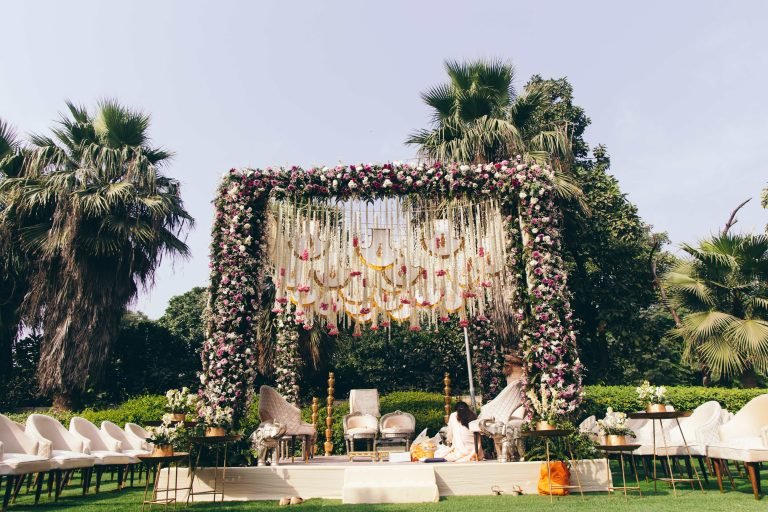
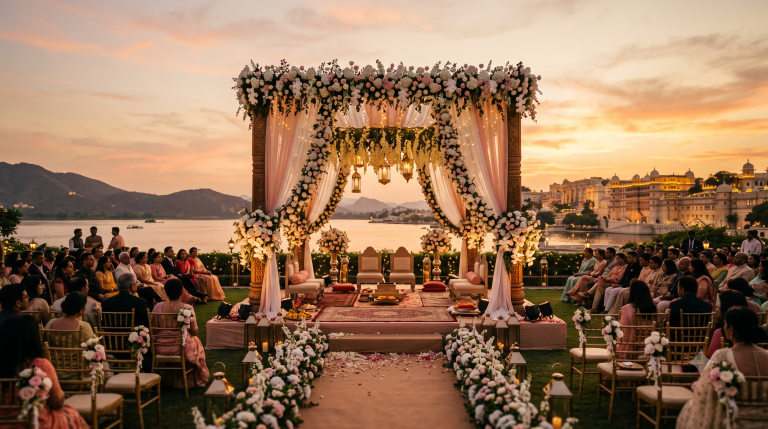
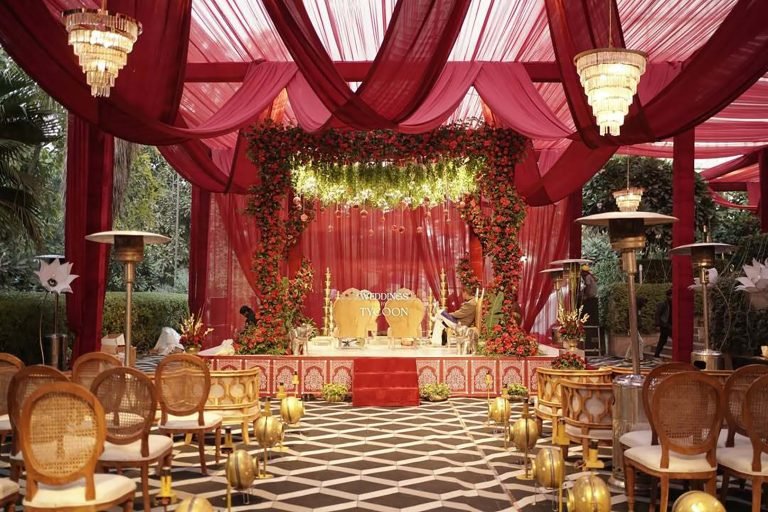
- Arrange décor and floral styling Decide your color scheme and the overall look — elegant and minimal, or warm and festive. Book your décor team at least 4 to 6 weeks before the event.
- Check lighting, sound, and parking Does the venue have good evening lighting? Is there a sound system for music? Is parking available for the number of guests you are expecting? Confirm all three during your site visit — not over the phone.
Ceremony Must-Haves
These are the items that are specifically needed for the ceremony itself. Missing any of these on the day creates the kind of panic that is completely avoidable. Pack all of these the night before and keep them in one bag that one one person you trust is responsible for.
- Engagement rings Both rings, confirmed and ready. Do not leave this for the morning of the event.
- Puja essentials Kumkum, haldi, flowers, diya, agarbatti, prasad — whatever your ceremony requires.
- Decorative trays and platters For the ring exchange, gifts, and other ceremonial elements. Get these ready and beautifully decorated the day before.
- Fresh flowers and garlands Jaimala, hand bouquets, any flowers needed for the puja or the ceremony setup.
- Gifts for immediate family Both families exchanging gifts is a beautiful tradition. Have these wrapped and labelled in advance so there is no last-minute confusion about who is giving what to whom.
Fashion & Styling
How the couple looks and how the family looks together is what fills the photo album. This is worth spending real time on — not just what each person will wear, but whether the outfits match visually as a family when everyone is standing together in photos.
- Finalise outfits for the couple Do a full trial — outfit, jewellery, shoes, dupatta — at least two weeks before. Do not try something for the first time on the day itself.
- Coordinate family attire You do not need everyone in the exact same color. But a broad color family — say, all pastels on one side, all warm tones on the other — makes group photos look so much more put-together.
- Choose jewellery and accessories Lay out every piece with the outfit and photograph it. This saves a lot of time on the morning of the event when everyone is already stressed.
- Schedule hair and makeup appointments Book early — makeup artists get booked out for good dates. If multiple family members are getting done, create a schedule so no one is waiting too long before the event starts.
- Keep a comfortable pair of footwear Heels for photos, flats for the rest of the event. Whoever is wearing uncomfortable shoes for four hours will be visibly unhappy in the later photos. Keep a backup pair nearby.
Food & Hospitality
Food is the thing guests remember most — both when it is really good and when it is not. For an engagement or Roka, the spread does not need to be massive, but it needs to be warm, generous, and well-managed so no guest feels ignored or overlooked.
- Curate the food menu For a Roka or engagement, a good spread of snacks, at least two main course options, and a dessert section is the right balance. You do not need a full wedding menu — but the quality should be excellent.
- Include vegetarian and special dietary options Always have a clearly marked vegetarian section. If you know of any guests with dietary needss, tell the caterer in advance — not on the day.
- Arrange welcome drinks and desserts A nice welcome drink as guests arrive sets a warm, hospitable tone right away. A dedicated sweet or dessert station — or a cake cutting moment — gives the event a proper celebratory feel.
- Organise catering staff Confirm the number of servers, the serving style (buffet or plated), and what time they will arrive for setup. Too few serving staff is one of the most common problems at smaller events.
- Plan a cake or sweet station A cake cutting is a lovely moment for photographs and for bringing guests together at one point in the event. Even a beautiful mithai display works if a cake does not feel right for your ceremony style.
Invitations & Guest Management
The way you invite people and the information you share with them changes how smoothly the event runs. Guests who are confused about timings, location, or parking create last-minute calls and delays. Send clear, complete information and most of these problems never happen.
- Send invitations on time For a city event — at least 2 weeks before. For guests coming from other cities — 3 to 4 weeks before so they can make travel plans. WhatsApp forwards are fine, but a physical card for close family is always a nice touch.
- Share venue location and timings clearly Include a Google Maps link, the full address, and the exact start time. Also mention when the ceremony is expected to end — guests with young children especially appreciate knowing this in advance.
- Track RSVPs You need a final number of guests at least a week before for the caterer, seating plan, and welcome kit preparation. Assign one family member to follow up on people who have not replied yet — this saves the couple from having to do it themselves.
- Create a guest assistance contact One person — a cousin, a family friend — who is in charge of handling any guest questions on the day. Share their number on the invitation so guests are not calling the couple directly when they are getting ready.
- Share parking and accommodation details Where can guests park? Is there valet? For guests coming from other cities — what are the nearest hotels? Share all of this before people even have to ask.
Entertainment & Photography
Engagements and Roka ceremonies are full of genuine, emotional moments — the first ring exchange, both families meeting, grandparents seeing the couple together. A good photographer captures these. The right music and a few planned activities keep the energy alive throughout. Both are worth the investment.
- Book a professional photographer And brief them in advance. Share the schedule, tell them which family members to beforetise, and give them a list of must-have shots. A photographer who knows the plan will always deliver better than one figuring it out on the day.
- Create a music playlist Background music for arrival and dinner, one or two songs for the ring exchange moment if you want that filmy feel, and something upbeat for after the ceremony. Hand the playlist to whoever is managing the sound system.
- Plan candid family moments Tell your photographer — “I want a photo of my grandmother with the couple,” “I want a photo of both families together in one frame.” The best photos at engagements are not the posed ones, but you still need to plan for them.
- Arrange fun games or activities Not a must — but something simple like a photo booth, a small game for the families to play together, or a fun quiz about the couple keeps guests engaged and creates good memories. Especially useful if the guest list includes a lot of children.
- Schedule speeches or special performances If someone is giving a speech or a sibling has planned a small performance, put it in the schedule. Give them a time slot and a time limit — with no time limit speeches tend to go much longer than intended.
Final Day Essentials
Everything is planned. Everything is booked. Now comes the actual day. This section is about the small things that make the day run smoothly — the things that seem obvious but are somehow always forgotten. Go through this list the evening before the event.
- Keep rings and important items safely packed Rings, tikka, gifts, puja items — everything goes in one clearly labelled bag, packed the night before, with one responsible person in charge of it. Not three people. One.
- Carry an emergency kit Safety pins, double-sided tape, tissues, a basic medicine kit, portable charger, and a small sewing kit. Someone’s outfit will need a pin. Someone will need a Crocin. This kit will save the day at least once.
- Confirm all vendor arrival timings Call or message every vendor the evening before — caterer, photographer, décor team, makeup artist. Confirm their arrival time. Do not assume everyone will show up at the time agreed two weeks ago.
- Keep cash for small expenses Small tips, last-minute purchases, parking fees, a florist addition you decide to make in the morning — have cash ready. Cards do not always work in the middle of event-day chaos.
- Relax, smile, and enjoy every moment You have planned well. Delegate the day’s management to someone you trust — a planner, a reliable family member, a coordinator. Then be present in the moment. These are the memories your family will talk about for years.
They are the ones filled with love, laughter, and the people who matter most. Everything on this list exists to make sure nothing gets in the way of that. Plan well, delegate confidently, and then be fully present for every single moment.
Let us handle the details. You enjoy the moment.
At Weddings by Tycoon, we plan and manage engagement ceremonies, Roka functions, and full wedding celebrations across Chandigarh, Punjab, and at destination venues in Kasauli, Shimla, Solan, Kandaghat, and Dehradun. Our in-house décor and management team handles everything from venue setup to vendor management — so both families can be present instead of busy.
Book a Free Consultation